
Affordable Ways to Upgrade Your Tinny
Friday, 03 October 2025
Words and images by John “Bear” Willis
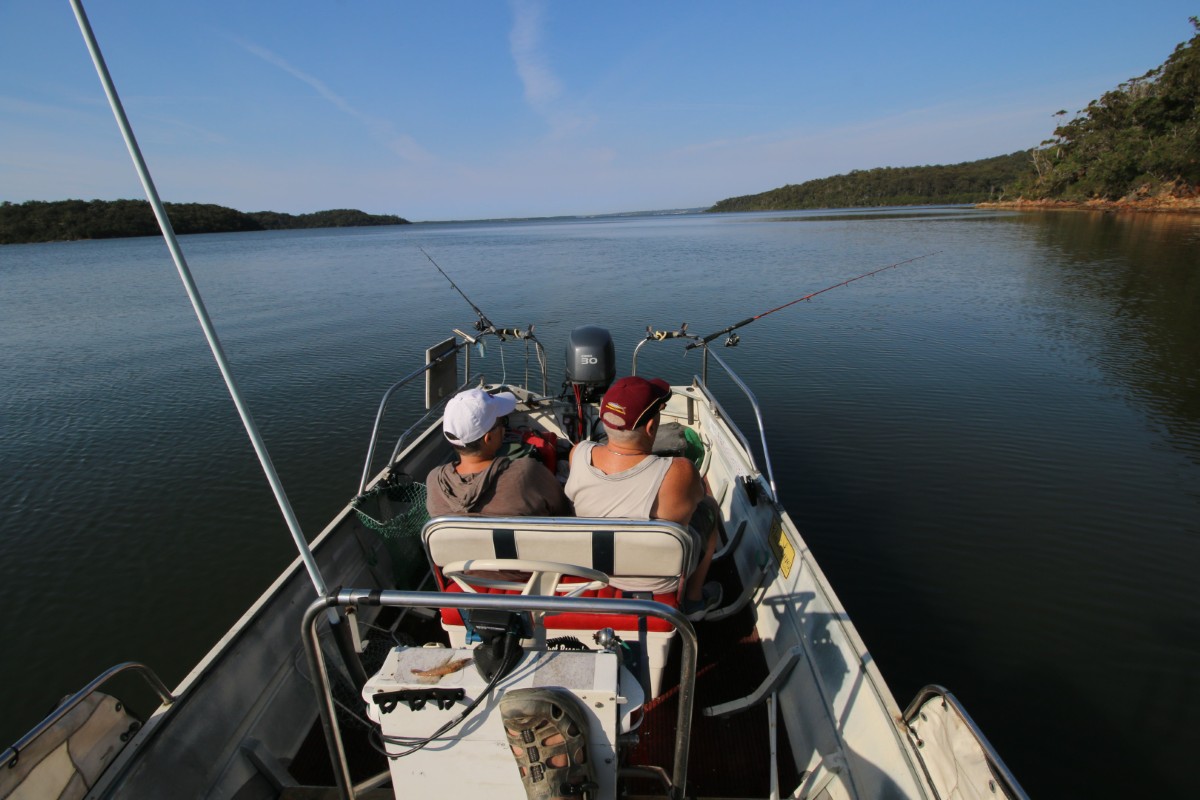
I’ve got a public admission to make – I love tinnies! For all my boating exploits over the years, I can honestly say that I have had more fun and explored the most incredible destinations in very small boats, usually tinnies.
Small boats can open up a whole new world of adventure opportunities. They’ll get you into those hard-to-reach fishing spots, upstream to hidden waterfalls, or down to secluded campsites. For nature lovers and photographers, they’re a great way to explore and get up close to wildlife, explore remote sweetwaters, traverse the shallow flats and launch in the most basic of shorelines.
Many campers rely on roof-top mounted tinnies, inflatables, kayaks, or canoes; most require minimal TLC to keep them in good condition. Whilst tinnies are made of aluminium, the weight and thickness vary according to application. Roof toppers are generally made from thinner sheet, often down to 1.6mm, whilst larger craft may be made from 3, 4, or even 5mm alloy. Almost all are reasonably lightweight for easy transport, but extremely strong and impact-absorbent for a rough life. If you’ve got a small trailer, make sure it’s registered and roadworthy – and don’t forget to register your powered craft too; it’s a must in most states.
While I generally work on the KISS Principle (Keep It Simple Stupid), tinnies can be as basic or as elaborate as you like. I honestly believe every half-keen boaty needs a small tinny, even if you also own a dedicated offshore warrior or long-range luxury cruiser – they make so much sense.
If you want to enjoy boating, you have to make it easy, and it couldn’t be simpler than with a small tinny.

What Size Tinny Is Ideal For Me?
I have enjoyed owning a 3.5-metre Savage Jabiru for the past 30 years, and I only updated the Johnson 15HP 2-stroke this year—with a second-hand Mercury 20HP (but with an electric start). I have enjoyed a range of boating adventures in the little craft and caught more than my fair share of fish to boot!
It has a small storage/casting platform in the bow, two thwart seats, a very basic depth sounder/GPS, and a Watersnake electric trolling motor mounted on the transom. I am constantly amazed at how long the budget-priced 44 lb thrust electric will run on a 770CCA marine battery that is also used for the electric-start petrol outboard, the sounder/bilge pump, etc. Its longevity has been sensational, even in a predominantly saltwater environment.
The little Jabiru is light and easy to tow and just as easy to launch, even in muddy backwaters and tidal sand bars. I am amazed at how well the little old Boing trailer handles many kilometres of abuse. A basic boat/tonneau cover keeps all the gear contained, secure, and out of the daily elements, as it is always stored outdoors.
Sounds like easy boating, eh? Well, it is, and nowadays, I use it probably four times as much as my other 19-foot fibreglass boat. If I were to update the little tinny eventually, it would be with a slightly larger 4-4.3-metre model that would give mostly the same benefits. However, it would need a larger 30-50HP tiller steer outboard with power tilt and trim, expediting the dollar outlay and running costs.
The Essentials
First and foremost, tinnies can be exceptionally uncomfortable and cold if you stick to the standard thwart seating. I have personally fitted a folding swivel seat on screw mounts with replaceable upholstered cushions. You need the swivel, especially at the tiller helm, and the backrest is invaluable for long hours on the water. The other thwart in my little boat uses the bulkhead from the bow platform for a backrest, and I have a removable piece of playground undersurface rubber for passengers’ seating.
What Type of Rod Holder?
As a sole fisherman, I certainly need some rod holders. I regularly troll slowly powered by the Water Snake electric outboard. I find great value in simple cast alloy or stainless wire rod holders with removable mounts on the gunwales. Others use more intricate, sometimes plastic versions to suit their fishing style. Don’t forget to use stainless steel bolts and a sealant such as Duralac when attaching fittings to aluminium to avoid corrosion, which is commonly and yet incorrectly called electrolysis.
Do I Need a GPS & Chart Plotter?
Whilst many will argue with me, particularly keen fisho’s who make great use of features like side scan, Panoptics and other sonar features, I find a relatively cheap option of a Garmin Striker Vivid 5″ colour sounder/GPS exceptionally versatile, easy to use and very precise with amazing screen definition in the majority of lakes and rivers where I operate, mostly in shallow sand flats and only out to about 8 metres depth. I have used the same unit in 20-metre bays and found them exceptional. A chart plotter would be handy but not essential, and the basic GPS in the little Garmin remembers waypoints and routes for easy fishing and navigation. Most of my work doesn’t require the definition for spotting fish, and even though it does it very well, I use it more for finding structure, drop-offs, channels, and returning home via a saved route in the dark. All brands have units of similar prices and specifications.
Do I Need Navigation Lights or Spotlights?
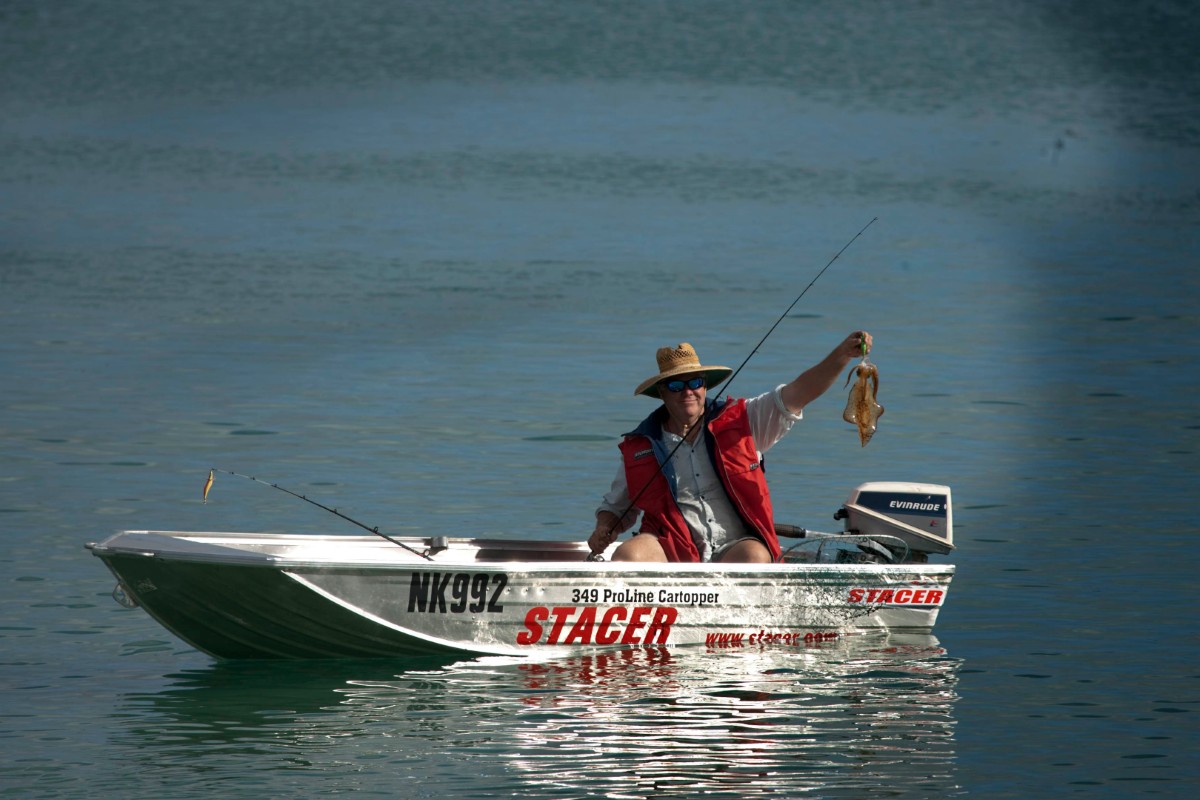
As a fisherman, I recognise sunset and sunrise as peak periods for angling; hence, navigation lights are essential. Many people go to great expense with spotlights, but I find they only hinder night vision. Therefore, I only have a good waterproof torch for safety and rigging in the dark, and often some LED strip lighting under the gunwale used only when I need a little extra light in the boat.
The Essential Safety Equipment
It is essential to carry legal safety equipment, usually a fire extinguisher, waterproof torch, life jacket for each person on board, anchor, rope and chain, paddles/oars, bailing bucket with lanyard, and a coastal flare package for saltwater use. (see individual State regulations)
I personally hate manually activated inflatable PFDs (life jackets) as in a high percentage of accidents, the boater is knocked out, or at the least in shock, and finds it impossible to inflate the jacket manually. However, in some States, you must always wear a jacket in boats 4.8 metres and under. In cooler climates, I usually upgrade to a higher quality automatic activation jacket, and in the tinny, I still have some of the older style foam-type PFDs.
Don’t Forget To Service Your Life Jackets!
Make sure they are inspected and/or tested regularly. They may save your life or that of a friend or loved one. If they are not worn, make them easily accessible and ensure the retro-reflective tapes and whistle are in good condition. A good wash in soapy water does wonders, but be careful of the auto-inflating mechanisms.
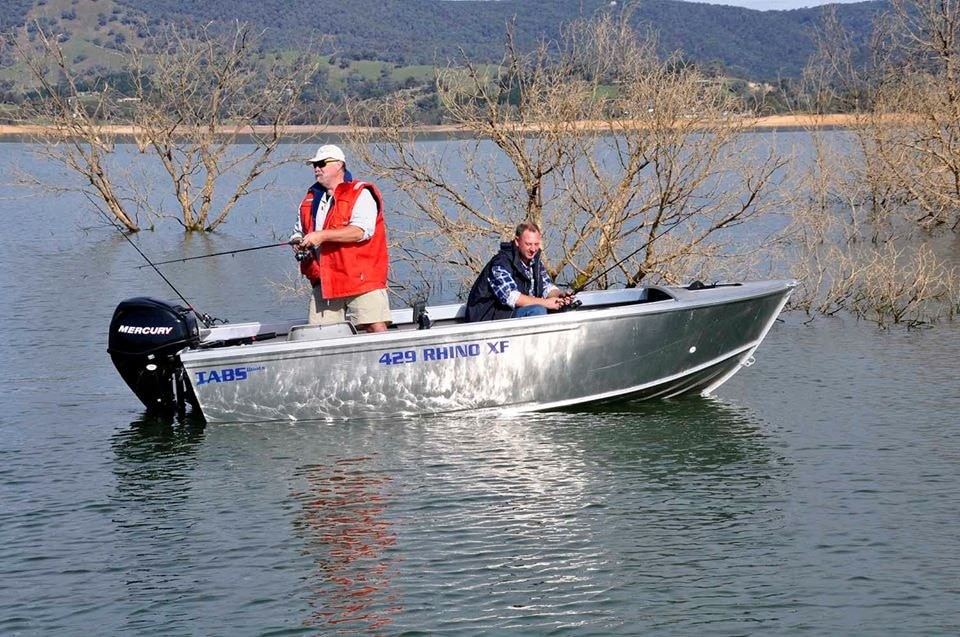
Whilst I always have a main anchor in the bow platform container, I also carry a large lead weight or an anchor similar to a PWC folding unit at the stern. I find I use the rear anchor more regularly as I don’t need to move to the front position to fish facing back. You can also set up both anchors to reduce yawing.
As I get older, I am perhaps more aware of personal safety, so I always carry a Personal Locator Beacon. Other items are a V-sheet, a mirror, a horn to indicate location, and a whistle on the jacket. You would be surprised how many people forget to take a rope (painter), but they are essential for towing in case of a breakdown. They are also handy for tying up to trees or putting down a berley pot!
While most batteries nowadays are supposedly “sealed,” I found out the hard way that some will still spill their acid if inverted. Hence, I always have my battery in a plastic container and well secured. Wiring is mostly quite exposed in small boats, and therefore, the condition, particularly at terminals and connections, needs to be protected and inspected regularly.
The hull itself also needs regular inspection, as items like wayward sinkers can corrode aluminium very quickly.
Customising Your Tinny
You can customise a tinny to suit your own needs. If it’s a roof-topper, you will need to keep it as lightweight as possible, with few handles, rails, or other projections above the gunwale, such as bollards, rod holders, etc. Some roof-loading devices may require attachment points, though.
Personalising the Fitout
If the hull is to be trailered, you can customise it to suit your style. “Casting” platforms and flooring are very popular and can be done for minimal cost. The thwart seats provide a terrific base for forward and rear platforms, and extra support structure and brackets can be pop riveted, stainless steel bolted, or even welded into position to hold up the marine plywood or synthetic flooring.
What Kind of Flooring?
It’s worth doing some homework on the type of plywood you use. There are many options for marine plywood, with varying types of timber veneer used in the construction. The other essential item is that marine plywood uses a suitable waterproof bonding system for its multiple laminates, and has a higher specification on the size of any core gaps where the internal laminates join. However, many “construction” or “external” plywoods use the same bonding if you wish to save on costs. I have used the cheaper option often and never found problems, provided I sealed it proportionately, usually with polyester resin.
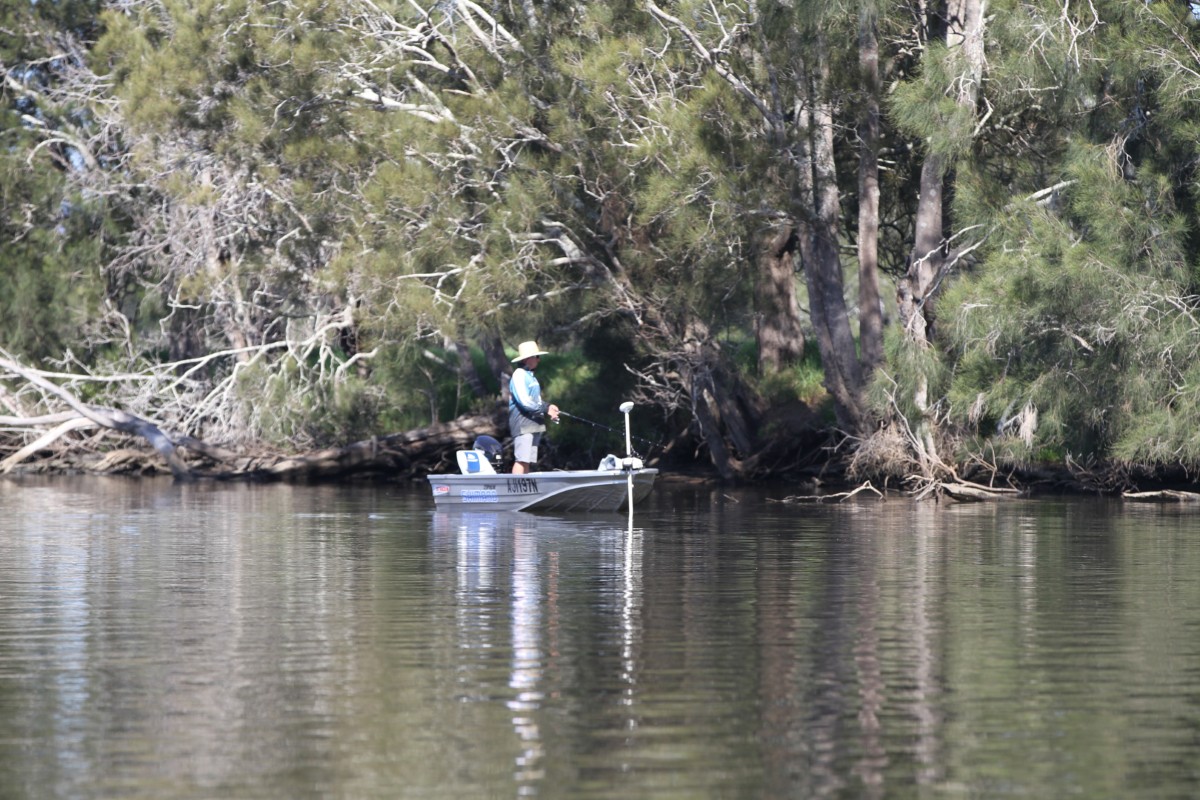
Are Casting Decks Worth It?
Casting decks can also increase the availability of enclosed or retained storage. There never seems to be enough storage in a tinny! They can be sealed, painted or fibreglassed to seal the timber. If using synthetics, make sure you can stick either marine carpet or some of the popular non-slip flooring that is now all the rage. Many different types are available from various outlets; however, I usually search out the trade suppliers who also have bulk (20-litre) cans of non-acidic contact adhesive. Ensure that the bonding type is suitable for aluminium in any contact areas, or you can quickly create corrosion. Note that flooring and casting decks also reduce the noise transmitted, and often amplified through an aluminium hull, which regularly scares your prey.
Many will craft elaborate side pocket storage, rod enclosures, electronics consoles, live bait tanks, kill tanks, and more—the sky and your budget are the limits!
Once upon a time, I could hop around a pitching boat easily, but my balance has been reduced as the years have passed, and my knees have been replaced. Hence, a casting deck insert is worth considering to assist in achieving a safe balance.
Bimini Tops and Canopies
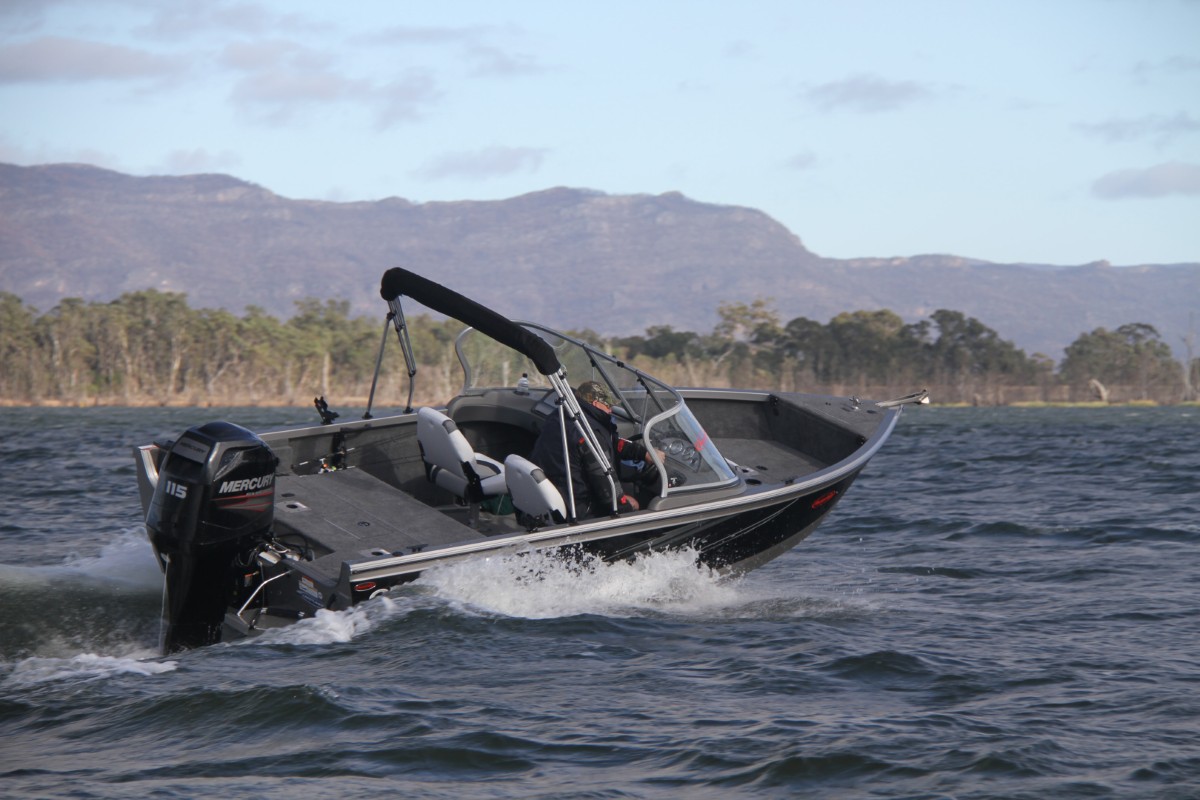
Bimini tops/canopies can also be fitted to tinnies. While I recognise the need to shelter from our dangerous UV rays, I find them too restrictive in most small boats, especially those with tiller steer. I prefer to dress correctly, including hats, long-sleeved shirts and plenty of quality sunscreen. Don’t forget good eye protection either.
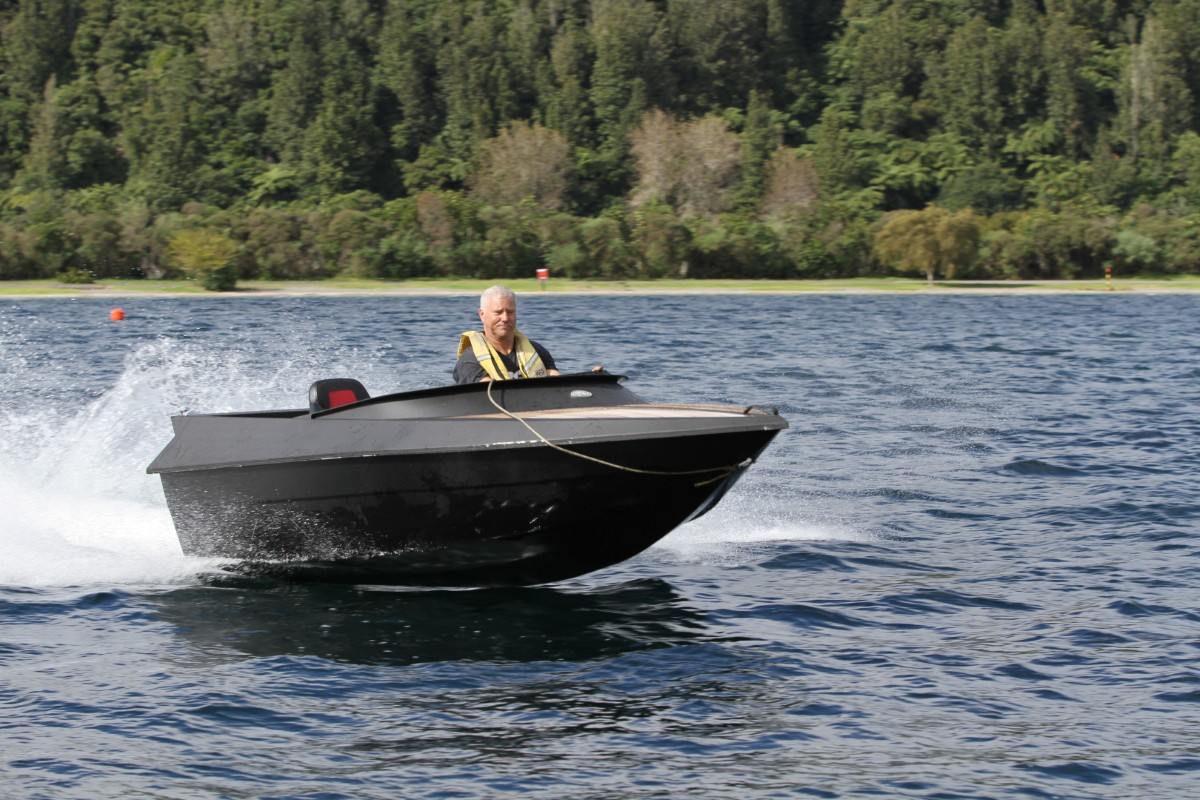
Number 1 Gift Idea For Your Bestie and Their First Tinny?
A portable waterproof sound system is great for music lovers or those who like to listen to the footy—but I can’t say that the fish like them too much!
Boat Finance with Credit One
Ready to kit out your tinny or step up to a better one? Line up flexible boat finance with Credit One. Just fill out our easy online loan application to get started.
Not quite ready to apply? Try our loan calculator to estimate what your repayments might be and explore your options.
And if you’re still in shopping mode, check out the great selection available at Only Boats! You’ll find deals on all kinds of boats for sale, including aluminium boats and fibreglass boats for sale. You can also check out our complete used boat buying guide there for more guidance.

Wayne Park
Automotive Content Editor
Wayne is a Senior BDM with the Credit One Group. He specializes in the leisure space and has over 12 years’ experience dealing with both the Caravan and Marine market. He has been awarded by Caravanning Associations for his continued commitment to the industry and is widely respected by industry members. As a BDM and working for Credit One he loves nothing more than helping people achieve a lifestyle choice to start their journey and enjoy the great outdoors, whatever that dream looks like.
Get a Quick Quote
You don't need to make a decision right away. Find out what your loan will cost before you commit to it. Getting a quote is easy, won't hurt your credit score, and only takes a few moments - secure yours today.


